
Selling a House With a Reverse Mortgage in South Carolina
A reverse mortgage does not have monthly payments, which is the point of it. What it has instead is a maturity event: the loan becomes due and payable when the last borrower dies, sells, or stops living in the house as a principal residence.
For families, that is the part that catches people. The clock starts at a death or a move to care, which is exactly when nobody is thinking about loan deadlines, and it is shorter than the probate timeline people expect to work within.
Homebuyers SC buys houses with reverse mortgages across Charleston, Berkeley, and Dorchester counties, and works to the servicer’s deadline.
What triggers the loan becoming due?
Commonly:
- The last surviving borrower dies
- The borrower sells the property
- The borrower no longer occupies it as a principal residence, including a permanent move to a care facility
- Failure to keep up property taxes, insurance, or required maintenance, which are obligations that continue under the loan
That fourth one surprises people too. A reverse mortgage can go into default while the borrower is still living in the house, if taxes or insurance lapse.
Reverse mortgage terms vary, and deadlines and extensions are set by the loan documents and the servicer. Contact the servicer in writing and talk to a licensed South Carolina attorney. Nothing here replaces either.
What should the family do first?
In this order, and quickly.
- Contact the servicer and tell them what has happened. Ask in writing: what is the payoff, what is the deadline, what extensions are available, and what documentation do you need from us.
- Keep taxes and insurance current. A lapse can accelerate matters independently of the maturity event.
- Establish who has authority. If the borrower died, that means probate. Being appointed personal representative is not by itself enough to sell: under SC Code 62-3-711(b), a personal representative may not sell estate real property unless the will authorizes it or the court does. See selling an inherited house in probate in South Carolina.
- Find out what the house is worth in its current condition, because that determines which of the options below applies.
Step three is the one that costs families the most time, and it runs in parallel with the servicer’s clock rather than pausing it.
What are the options once it is due?
| Option | What it means |
|---|---|
| Sell the house | Loan paid from proceeds. Remaining equity goes to the estate or the borrower |
| Pay it off another way | Heirs refinance or pay the balance and keep the house |
| Deed in lieu | Transfer to the lender rather than sell |
| Let it go to foreclosure | Loses any equity, and South Carolina gives no right of redemption after a foreclosure sale |
The first is what preserves equity, and it is the reason the timeline matters. Equity carried into a foreclosure sale is generally lost.
What if the balance is more than the house is worth?
This is where reverse mortgages differ from ordinary loans, and it is worth knowing because families panic about it unnecessarily.
Reverse mortgages insured under the federal Home Equity Conversion Mortgage program are non-recourse. Broadly, that means repayment comes from the property rather than from heirs personally, and heirs are not required to make up a shortfall out of their own money. Programs and loan documents vary, and heirs selling or keeping the property are treated differently.
Confirm your specific position with the servicer and an attorney rather than assuming either the best or the worst.
Why is condition usually the real obstacle?
Because these are frequently long-held houses with deferred maintenance, occupied until recently by someone who could no longer keep up with them.
That combination produces a house a lender will not finance, which removes retail buyers, at the exact moment there is a deadline. See selling a house no lender will finance and do I need repairs before selling as-is.
There is usually contents to deal with as well, and no time to do it. A cash sale with contents included removes that entirely. See selling a hoarder house without cleaning it out.
How does a sale work against a deadline?
The closing attorney, required in South Carolina under State v. Buyers Service Co., 292 S.C. 426, 357 S.E.2d 15 (1987), obtains the payoff from the servicer, confirms authority to sell, and disburses the remainder to the estate.
Tell any buyer about the deadline at the first conversation. It changes how the file is sequenced, and a buyer who shrugs at a servicer’s clock is the wrong buyer. Ask for proof of funds and the closing attorney’s name. See how to choose a cash home buyer in Charleston.
Frequently asked questions
How long do heirs have?
It depends on the loan and the servicer, and extensions are often available on request. Ask in writing and get the answer in writing, because verbal timelines are not a defence later.
Can heirs keep the house?
Sometimes, by paying off the balance, which may mean refinancing. Whether that is possible depends on the balance, the value, and the heirs’ own financing.
Do heirs owe the difference if the house is worth less than the balance?
HECM loans are non-recourse, which broadly means repayment comes from the property. Confirm with the servicer and an attorney, because programs and circumstances differ.
What if the borrower is alive but moving to care?
The loan can become due when the property stops being a principal residence. There is also a property tax question worth checking: under SC Code 12-43-220 an owner who becomes a patient at a nursing home or community residential care facility may retain the 4% assessment ratio under stated conditions. See selling a parent’s house after a move to assisted living.
What if probate is going to take longer than the servicer’s deadline?
Tell the servicer, in writing, that probate is underway and ask for an extension. This is common and it is why early contact matters.
How fast can a cash sale close?
Usually one to three weeks once the closing attorney confirms clear title and authority to sell.
Need to sell this house?
We buy houses across Charleston, Berkeley, and Dorchester counties for cash, exactly as they sit. No repairs, no cleaning, no commissions, and you choose the closing date.
We buy houses across the Lowcountry, including Charleston, North Charleston, Mount Pleasant and Summerville.
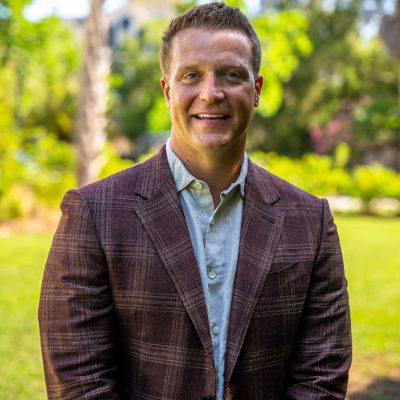
Caleb Pearson is the founder of Homebuyers SC and a licensed South Carolina real estate agent (License #83101) with 15+ years of real estate investing experience. He has personally been involved in over 500 purchases across South Carolina.