
Selling a Property With Safety or Liability Problems in South Carolina
If a property has become a liability because of its physical condition, you can sell it as-is in South Carolina without repairing it first. Disclosure obligations apply, and they depend on the type of transfer, so confirm yours with a licensed South Carolina attorney. Cash buyers and investors regularly purchase houses with structural failure, fire damage, squatters, or open code violations, because they price the repair into the offer rather than requiring you to make it.
This guide is about problems with the property itself. For questions about a neighborhood, the only reliable sources are public records and the local police department, and this guide does not attempt to characterize any area.
What makes a property a liability for its owner?
These are conditions of the building or the lot, and every one of them is something a cash buyer will still consider:
- Structural instability. Foundation movement, a failing roof, compromised framing, or a floor system that is no longer sound.
- Fire risk. Knob-and-tube or otherwise failed wiring, damage from a previous fire, or a heating system that is no longer serviceable.
- Squatters or unauthorized occupants. People living in a property you own without a lease.
- Open code enforcement cases. Citations that accrue while the property sits.
- Environmental hazards. Mold, asbestos, or lead paint, common in older Lowcountry housing stock.
- The house cannot be insured. Carriers declining coverage, or a policy that has been non-renewed.
The last one is worth pausing on. In South Carolina, an uninsurable house is usually also an unfinanceable one, which is why traditional buyers disappear.
Why do traditional buyers walk away?
Because their lender walks away first.
A buyer using a mortgage needs the property to satisfy the lender’s condition requirements and needs insurance to be available. When a structural or fire-safety problem is discovered during the inspection, the financing usually fails regardless of whether the buyer still wants the house. Lowering the price does not fix this, because the obstacle is the lender’s requirements, not the buyer’s willingness.
This is why properties in this condition tend to sit through several failed contracts before the owner concludes that a cash sale was the realistic route all along.
Does waiting improve the situation?
Rarely, and the costs run in one direction.
| What accumulates while you wait | Why |
|---|---|
| Code enforcement penalties | Many jurisdictions assess per-day fines on open cases |
| Insurance cost, or loss of coverage | Carriers reprice or decline as condition worsens |
| Deterioration | An unoccupied house with a compromised roof or plumbing degrades quickly |
| Liability exposure | You own the property and the risk that goes with it |
| Property taxes and utilities | These continue regardless of occupancy |
Structural and water problems in particular tend to worsen faster than the market improves.
Do I have to disclose the problems?
Yes. South Carolina requires sellers of residential property to provide a disclosure statement covering known material defects, and a cash sale does not remove that obligation. The statute is SC Code 27-50-40, and SC Code 27-50-30 lists transfers that are exempt from it, including a transfer “by a fiduciary in the course of the administration of a decedent’s estate, guardianship, conservatorship, or trust” and transfers by foreclosure sale. An exemption from the statutory form is not permission to conceal a known problem, and whether one applies to your sale is a question for your closing attorney.
This is less of a problem than owners expect. A buyer purchasing a house specifically because it needs work is not surprised by the disclosure, and a full disclosure up front is what prevents a renegotiation later. Withholding a known defect is how a closing falls apart.
The statutes cited here are the starting point, not the whole answer. How they apply turns on your specific facts, so confirm with a licensed South Carolina attorney before acting.
How does an as-is sale actually work?
A cash buyer inspects the property, estimates the repair cost, and makes an offer reflecting what the house is worth once that work is done, minus the work and their margin. Nothing is required of you: no repairs, no cleaning, no removal of belongings.
In South Carolina the closing itself must be supervised by a licensed attorney, which is settled law rather than a local custom. That is worth knowing because it means a legitimate buyer will name a specific closing attorney when you ask.
Homebuyers SC has bought properties in this condition across Charleston, Berkeley, and Dorchester counties since 2017, including houses with structural damage, fire damage, and active code enforcement cases.
Frequently asked questions
Can I sell a house that has been condemned or has open code violations?
Yes. Open cases follow the property and are typically resolved at or after closing. See selling a house with code violations.
Can I sell a house with squatters in it?
Yes, though it changes the timeline and who handles the removal. See selling a property with squatters.
Will a safety problem reduce my price?
Yes. The offer reflects the cost of making the property sound. The comparison worth making is not against a renovated house, it is against what you will have spent by continuing to hold it.
How fast can this close?
Usually one to three weeks once title is clear. Probate, liens, and tenant situations extend that.
What if the house has structural movement specifically?
That is common enough in the Lowcountry to have its own guide: selling a house with structural movement issues.
Need to sell this house?
We buy houses across Charleston, Berkeley, and Dorchester counties for cash, exactly as they sit. No repairs, no cleaning, no commissions, and you choose the closing date.
We buy houses across the Lowcountry, including Charleston, North Charleston, Mount Pleasant and Summerville.
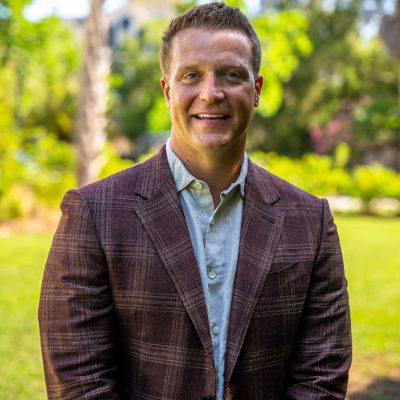
Caleb Pearson is the founder of Homebuyers SC and a licensed South Carolina real estate agent (License #83101) with 15+ years of real estate investing experience. He has personally been involved in over 500 purchases across South Carolina.