
Selling a House With HOA Problems in South Carolina
An HOA dispute rarely stops a sale outright. Unpaid dues and assessments come out of the proceeds at closing like any other lien, and a violation notice is a disclosure item rather than a barrier.
What surprises owners is that South Carolina has specific recording requirements for HOA governing documents, and a rule that was never properly recorded may not be enforceable. That is worth checking before you assume you owe what you are being told you owe.
Homebuyers SC buys houses in HOA communities across Charleston, Berkeley, and Dorchester counties.
What does South Carolina require of an HOA?
The South Carolina Homeowners Association Act, SC Code Title 27, Chapter 30, sets recording requirements that bear directly on enforceability.
Under SC Code 27-30-130, “a homeowners association’s governing documents must be recorded in the clerk of court’s, Register of Mesne Conveyance (RMC), or register of deeds office in the county where the property is located.” The statute also sets a January tenth deadline for recording, with rules, regulations, and amendments needing to be recorded to remain enforceable going forward.
Two practical consequences:
- You can check. The county Register of Deeds is public. What is recorded is what is recorded.
- A rule that was never recorded may not be enforceable. That does not make a dispute go away, and it is a fact worth establishing before paying a fine you may not owe.
Whether a particular rule or assessment is enforceable against you is a legal question that turns on the documents and the facts. Ask a licensed South Carolina attorney before relying on this, and before refusing to pay anything.
What are the common problems?
| Problem | What it does to a sale |
|---|---|
| Unpaid dues or assessments | Typically a lien under the governing documents. Paid from proceeds at closing |
| Special assessment | A large one-off, sometimes for a roof or structural project. Changes what a buyer is taking on |
| Violation notices and fines | Disclosure item. Accrued fines may be claimed at closing |
| Architectural violations | An addition, fence, or paint colour never approved. Can require correction |
| Litigation involving the association | A buyer’s lender may balk, particularly on a condo |
| Underfunded reserves | Affects financeability on condos more than on single-family |
| Rental restrictions | Matters enormously to an investor buyer. Get the current rule in writing |
The last row is worth flagging if you are selling to an investor. A community that restricts or caps rentals changes who will buy the property and at what price.
What should I gather before selling?
- The recorded governing documents, from the county Register of Deeds, and the current rules
- A statement of account from the association or its management company: dues, assessments, fines, and anything in collections
- Any violation notices, with dates
- Minutes or notices about special assessments, current or anticipated
- The rental policy, in writing
- The estoppel or resale certificate process, and what it costs and how long it takes
That last one matters to your timeline. Most associations will not issue a payoff or resale statement instantly, and the closing attorney needs it.
Do unpaid dues stop a closing?
No. They are identified by the closing attorney, paid from the proceeds, and released. You do not need to pay them first.
What can genuinely stall a closing is the association being slow to produce a statement, or a dispute about the amount. Start that process early.
In South Carolina every closing is supervised by a licensed attorney, from State v. Buyers Service Co., 292 S.C. 426, 357 S.E.2d 15 (1987), and that attorney is who obtains the association payoff and handles it. See selling a house with back taxes or liens.
Should I fix the violation before selling?
| Fix it when | Sell as-is when |
|---|---|
| It is cheap and closes the matter | Correction means undoing a structure or an improvement |
| Fines are accruing and correction stops them | The dispute is about enforceability, which takes time |
| You are listing the house | You want out, and the buyer can take it on |
| A lender for your buyer would require it | You are selling to a cash buyer who prices it |
An unapproved fence or paint colour is often cheaper to resolve than to argue about. An unapproved addition is a different scale of problem, and it may also be an unpermitted work problem. See selling a house with unpermitted work.
Frequently asked questions
Can the HOA block my sale?
Associations generally cannot prevent a sale, though a right of first refusal appears in some governing documents. Read yours, because if one exists it affects your timeline.
Are the fines paid at closing?
Anything that is a lien is. Disputed fines are a negotiated term, so establish the number before contracting.
What if I disagree with the fines?
Check what is actually recorded, and take the enforceability question to an attorney. Do not simply stop paying on the assumption you are right.
Do I have to disclose HOA problems?
SC Code 27-50-40 requires a residential property condition disclosure statement covering categories that include homeowners association governance, and SC Code 27-50-30 exempts certain transfers. Ask your closing attorney what applies to you.
What about a special assessment that has been announced but not billed?
Disclose it. A buyer discovering a five-figure assessment after closing is a dispute you do not want.
How fast can it close?
Usually one to three weeks once the closing attorney confirms clear title, and the association’s payoff statement is normally what sets the pace. See how fast can I sell my house in South Carolina.
Need to sell this house?
We buy houses across Charleston, Berkeley, and Dorchester counties for cash, exactly as they sit. No repairs, no cleaning, no commissions, and you choose the closing date.
We buy houses across the Lowcountry, including Charleston, North Charleston, Mount Pleasant and Summerville.
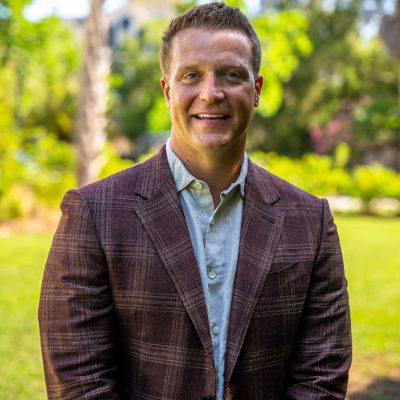
Caleb Pearson is the founder of Homebuyers SC and a licensed South Carolina real estate agent (License #83101) with 15+ years of real estate investing experience. He has personally been involved in over 500 purchases across South Carolina.