
Selling an Inherited House in South Carolina: The Heir's Checklist
Quick Answer
An heir cannot sell an inherited South Carolina house until two things are true: a personal representative has been appointed by the probate court, and that personal representative has authority to sell real property, which under SC Code 62-3-711(b) comes either from the will or from a petition to the court. Appointment alone is not enough, and that is the step most heirs miss.
This page is the practical checklist. For the probate mechanics in depth see selling an inherited house in probate in South Carolina, and for the full walkthrough see if I inherit a house, how do I sell it.
Homebuyers SC has bought inherited property across Charleston, Berkeley, and Dorchester counties since 2017.
The checklist, in order
- Find out how title was held. Sole ownership means probate. Joint with right of survivorship, a trust, or a transfer-on-death deed may not. This single answer changes the entire timeline.
- Open probate in the right county. File in the probate court where the decedent lived. Charleston, Dorchester, or Berkeley County for most Lowcountry estates. Order 10 to 15 certified death certificates while you are at it.
- Get a personal representative appointed. Letters Testamentary if there is a will, Letters of Administration if there is not. The closing attorney will want a copy.
- Confirm authority to sell the house. Read the will for language authorizing the sale of real property. If it is silent, or there is no will, a petition to the probate court is required. Confirm this with a licensed South Carolina attorney before signing anything, because it is the step that unwinds sales.
- Secure and insure the property. Vacancy is when insurers non-renew and when houses get damaged. Do this in week one, not month four.
- Get a date-of-death value. An appraisal or a broker’s opinion. You need it for the stepped-up basis and for judging offers.
- Agree among the heirs before going under contract. One holdout stalls everything.
- Choose the path and close. The closing attorney handles title, the deed, payoffs, and the wire. Proceeds go to the estate and are distributed under the will or by intestacy.
What the estate pays while you wait
This is the part heirs underestimate, and it is the strongest argument for moving deliberately rather than slowly.
| Cost | Notes |
|---|---|
| Property taxes | Continue regardless of occupancy, and the rate may change, see below |
| Insurance | A vacant house is frequently non-renewed or repriced. Coverage gaps are common |
| Utilities | Needed to keep the house from deteriorating, particularly air conditioning in a Lowcountry summer |
| Mortgage, if any | Continues. Nonpayment starts a foreclosure clock on top of everything else |
| Maintenance and yard | Neglect draws code enforcement in some jurisdictions |
| Deterioration | Humidity, pests, and moisture move faster than most families expect in an empty Charleston house |
Does the property tax bill change after the owner dies?
It can, and it frequently goes up.
Under SC Code 12-43-220, an owner-occupied legal residence is assessed at 4% of fair market value, while other real property is assessed at 6%. An inherited house that no one lives in as their legal residence generally does not qualify for the 4% ratio, so the estate’s tax bill can be meaningfully higher than what the deceased was paying.
Heirs usually discover this on the first full tax notice after the death, long after they assumed the holding cost was known. Ask the county assessor what ratio will apply rather than budgeting from last year’s bill.
Do we have to complete the property disclosure form?
Possibly not, and this surprises people.
SC Code 27-50-40 requires a residential property condition disclosure statement from an owner. SC Code 27-50-30 lists exemptions, and one of them is a transfer “by a fiduciary in the course of the administration of a decedent’s estate, guardianship, conservatorship, or trust.”
Two things to hold together. The statutory form may not be required for an estate sale. That is not permission to conceal a known problem, and heirs frequently know less about the house than the deceased did anyway. Ask your closing attorney whether the exemption applies to your transfer, and disclose what you actually know either way.
What about taxes on the sale?
Usually less painful than expected.
South Carolina has no state inheritance tax and no estate tax. The federal estate tax filing threshold is $15,000,000 for deaths in 2026, so most families owe nothing for inheriting.
The stepped-up basis is the real benefit: the cost basis resets to fair market value at the date of death, so a sale soon after inheriting typically produces little taxable gain. Inherited property is treated as long-term for capital gains regardless of how briefly it is held.
If you live in another state, expect withholding at closing under SC Code 12-8-580, calculated on the gain if you furnish a gain affidavit and on the full amount realized if you do not. See selling an inherited house when you live out of state.
Tax outcomes depend on your own return. Confirm with a CPA before relying on any of this.
How do proceeds get divided among heirs?
Through the estate, not directly. The closing attorney wires proceeds to the estate, the personal representative pays the estate’s debts and expenses, and what remains is distributed under the will, or by South Carolina’s intestacy rules if there is no will.
Two things that cause fights:
- Unequal contribution. One heir paid the taxes and insurance for eight months while the others did not. Agree in writing how that is reimbursed from proceeds, before closing.
- One heir wants to keep it. That is a buyout, and it needs an agreed value. South Carolina’s heirs property law, SC Code 15-61-310 and following, gives cotenants a buyout right at appraised value before a court will order a partition sale, which is a good reason to settle on a number voluntarily rather than litigate.
Common mistakes heirs make
- Selling before authority is established. Not just before appointment, but before the authority-to-sell question in step 4 is answered.
- Spending estate money on repairs. For a property nobody plans to keep, renovation is rarely recovered. See do I need repairs before selling as-is.
- Letting insurance lapse. A vacancy-related claim denial on an estate house is a bad day.
- Assuming the tax bill stays the same. See above.
- Going under contract without all the heirs. One signature short is the same as none.
- Ignoring a tenant. The lease survives the death. See selling an inherited house with tenants still inside.
- Trying to manage a clean-out remotely. See selling a hoarder house without cleaning it out.
Frequently asked questions
How long before we can sell?
Once a personal representative is appointed and has authority to sell. The creditor claim period, 8 months from first publication under SC Code 62-3-801(a), is what governs closing the estate, and a sale during that period is routine. Ask the closing attorney how they intend to handle it.
Can we accept an offer while probate is still running?
Often yes, with the contract written to account for the court’s timeline.
Who pays the mortgage in the meantime?
The estate. It is then paid off from the sale proceeds at closing.
What if the estate has no money to pay the taxes and insurance?
Common, and it is a reason to move rather than wait. Heirs sometimes advance the funds and are reimbursed from proceeds. Put that agreement in writing.
Does the closing have to happen in South Carolina?
The closing must be supervised by a licensed South Carolina attorney under State v. Buyers Service Co., 292 S.C. 426, 357 S.E.2d 15 (1987). Your signature does not have to happen here.
How fast can a cash sale close once we have authority?
Usually one to three weeks after the closing attorney confirms clear title. See how fast can I sell my house in South Carolina.
Need to sell this house?
We buy houses across Charleston, Berkeley, and Dorchester counties for cash, exactly as they sit. No repairs, no cleaning, no commissions, and you choose the closing date.
We buy houses across the Lowcountry, including Charleston, North Charleston, Mount Pleasant and Summerville.
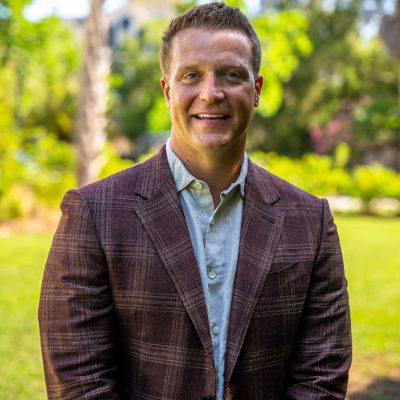
Caleb Pearson is the founder of Homebuyers SC and a licensed South Carolina real estate agent (License #83101) with 15+ years of real estate investing experience. He has personally been involved in over 500 purchases across South Carolina.