
Selling a House With Structural Issues in Charleston, SC
You can sell a house with structural problems in South Carolina without repairing it first, and for most owners that is the realistic option. The obstacle is not that buyers dislike the house. It is that a mortgage lender will not finance a property with unresolved structural defects, which removes almost every retail buyer regardless of how much they want it.
Homebuyers SC has purchased houses with foundation movement, framing damage, and long-term water intrusion across Charleston, Berkeley, and Dorchester counties since 2017.
What counts as a structural issue?
Structural means the parts of the house holding it up, as distinct from cosmetic damage:
- Foundation cracking, settling, or movement
- Uneven or sloping floors
- Roof or floor framing damage
- Load-bearing wall problems
- Long-term water intrusion that has reached the structure
- Failing piers or crawlspace supports, common in older Lowcountry housing
Doors and windows that stick, and floors that slope enough to notice without a level, are usually the first symptoms an owner sees.
Why does a structural problem end a retail sale?
Because the buyer’s lender, not the buyer, makes the decision.
A mortgage is secured by the house. When an appraiser or inspector flags a structural defect, the lender’s position is that its collateral is compromised, and it will either decline the loan or require the repair before closing. The buyer may still want the house. They cannot buy it.
That is why lowering the price does not rescue these deals. The obstacle is a lender requirement, not a pricing problem. The usual pattern is two or three contracts that die at inspection over several months before the owner concludes a cash sale was the realistic route from the start.
In Charleston specifically, a structural problem often arrives alongside an insurance problem. Carriers are already cautious about older properties and flood-exposed locations here, and a structural finding can tip a house from expensive to insure into uninsurable, which independently kills financing. See selling an uninsurable house and selling a house you can’t insure anymore.
Should I repair it before selling?
Run the arithmetic before deciding. Structural repair rarely returns what it costs.
| What repairing first involves | What it means in practice |
|---|---|
| Structural engineer’s report | Required before most contractors will scope the work |
| Permits | Structural work is permitted work across the tri-county area |
| The repair itself | Frequently tens of thousands of dollars, and the scope tends to grow once the crawlspace is open |
| Time | Weeks to months, during which you still carry the property |
| Disclosure afterward | A repaired structural defect is still disclosable, and still affects buyer confidence |
| Return on the money | Structural repair restores financeability. It rarely adds value beyond its own cost |
The honest summary: repairing makes sense if you have the cash, the time, and the house is otherwise strong enough that restoring financeability unlocks a materially higher price. For most owners in this situation, at least one of those three is missing.
How does selling as-is actually work?
A cash buyer values the house on what it will be worth once the structure is sound, subtracts the repair cost and their margin, and offers the remainder. No lender is involved, so no lender requirement can block it.
What you are not asked to do: repair anything, obtain an engineer’s report, clean the property, or remove belongings.
In South Carolina the closing must be supervised by a licensed attorney. That is settled law, from State v. Buyers Service Co., 292 S.C. 426, 357 S.E.2d 15 (1987), not local custom. A legitimate buyer will name a specific closing attorney when you ask, and it is a reasonable question to ask early. More on vetting a buyer in how to choose a cash home buyer in Charleston.
Do I have to disclose structural problems?
Yes. South Carolina requires a residential property disclosure covering known material defects, and selling as-is does not remove that obligation. The statute is SC Code 27-50-40, and SC Code 27-50-30 lists transfers that are exempt from it, including a transfer “by a fiduciary in the course of the administration of a decedent’s estate, guardianship, conservatorship, or trust” and transfers by foreclosure sale. An exemption from the statutory form is not permission to conceal a known problem, and whether one applies to your sale is a question for your closing attorney.
This matters less than sellers fear. A buyer purchasing specifically because the house needs work is not surprised by the disclosure. Full disclosure up front is what prevents a renegotiation two weeks before closing, which is the more common way these sales fall apart.
The statutes cited here are the starting point, not the whole answer. How they apply turns on your specific facts, so confirm with a licensed South Carolina attorney before acting.
Frequently asked questions
Will an investor still want the house?
Structural properties are the category cash buyers specifically look for, because the discount is predictable and the repair is a known trade.
How much less will I get?
The offer reflects the repair cost plus the buyer’s margin. The comparison worth making is not against a renovated house. It is against what you will have spent in carrying costs, failed contracts, and eventual repairs if you keep pursuing a retail sale.
Can I sell if the house is not currently safe to occupy?
Yes. Access for a walkthrough is usually all that is needed. See selling a property with safety or liability problems.
How fast can it close?
Usually one to three weeks once the closing attorney confirms clear title. Liens, probate, and tenants extend it.
What if the movement is ongoing rather than historic?
Active movement is disclosable and affects the offer, but it does not prevent a sale. See selling a house with structural movement issues and selling a house with foundation problems.
Need to sell this house?
We buy houses across Charleston, Berkeley, and Dorchester counties for cash, exactly as they sit. No repairs, no cleaning, no commissions, and you choose the closing date.
We buy houses across the Lowcountry, including Charleston, North Charleston, Mount Pleasant and Summerville.
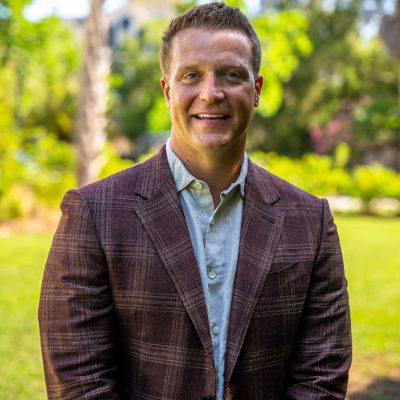
Caleb Pearson is the founder of Homebuyers SC and a licensed South Carolina real estate agent (License #83101) with 15+ years of real estate investing experience. He has personally been involved in over 500 purchases across South Carolina.