
Inheriting a House With Debt in South Carolina: What Heirs Need to Know
Two different questions get tangled together here, and separating them is most of the answer.
What is attached to the house is one question. A mortgage, a lien, back taxes, a recorded judgment. Those follow the property and are paid from the proceeds when it sells.
What you are personally liable for is a completely different question. It depends on facts specific to you, and it is one for an attorney rather than for any web page.
Homebuyers SC buys inherited property with debt attached across Charleston, Berkeley, and Dorchester counties.
What attaches to the house?
| Obligation | How it is handled |
|---|---|
| Mortgage | Paid off from the sale proceeds at closing |
| Property tax arrears | A lien. Serious delinquency can head toward a tax sale, which puts a clock on things |
| Unpaid sewer charges | In South Carolina these are a lien superior to all other liens except property taxes, which means they outrank the mortgage |
| HOA dues and special assessments | Typically a lien under the governing documents |
| Mechanics or contractor lien | If properly filed. SC Code 29-5-90 dissolves a lien not served and filed “within ninety days after he ceases to labor on or furnish labor or materials” |
| Recorded judgment against the deceased | Attaches to real property and is dealt with at closing |
| Reverse mortgage | Typically becomes due in full at the owner’s death, which sets its own deadline |
Every one of those is identified by the closing attorney’s title search and paid from the proceeds. None of them require heirs to write a cheque first.
See selling a house with back taxes or liens and selling a house with years of unpaid utilities.
Am I personally responsible for the debt?
Take this one to an attorney. The general shape, so you know what to ask:
- Debt secured by the property, such as a mortgage or a lien, attaches to the property and is satisfied from it.
- A decedent’s unsecured debts are claims against the estate, handled through the probate creditor process rather than by heirs personally.
- It is different where someone co-signed, held a joint account, or acted as personal representative and distributed estate assets before creditors were paid.
Do not assume you are clear, and do not assume you are on the hook. Ask a licensed South Carolina attorney about your specific situation before you pay anything or sign anything.
How does the estate handle creditors?
South Carolina sets the periods by statute. Court processing time sits on top of them.
| Period | Statute |
|---|---|
| 8 months from first publication of notice to creditors | SC Code 62-3-801(a) |
| 1 year from date of death, or 60 days from mailing actual notice, whichever is later, for known creditors | SC Code 62-3-801(b) |
| 1 year from date of death as the outer limit on most claims | SC Code 62-3-803 |
Selling during the claim period is routine rather than exceptional. The closing attorney confirms the personal representative’s authority and, where needed, arranges for funds to be held. Raise it early rather than assuming either way.
Can we sell before the estate is settled?
Often, and there is a step before that which catches families out.
Being appointed personal representative is not by itself enough to sell the house. Under SC Code 62-3-711(b), “except where the will of the decedent authorizes to the contrary, a personal representative may not sell real property of the estate except as authorized pursuant to the procedures described in Sections 62-3-911 or Sections 62-3-1301 et seq.”
So: read the will, and have the closing attorney read it, before signing anything. See selling an inherited house in probate in South Carolina.
Why does waiting cost more here?
Because the obligations keep running and the house keeps deteriorating.
- Interest and penalties accrue on tax and utility arrears
- The property tax ratio may change. Under SC Code 12-43-220 an owner-occupied legal residence is assessed at 4% of fair market value and other real property at 6%, and an inherited house nobody occupies as a legal residence generally does not qualify for the 4%
- Insurers non-renew on vacancy, and a house nobody can insure is a house nobody can finance
- An empty Lowcountry house deteriorates quickly without air conditioning running
- A mortgage in default starts a foreclosure clock, and South Carolina gives no right of redemption after a foreclosure sale
That last point is the one to act on. If the mortgage on an inherited house is in default, the estate can lose the equity entirely. See stopping foreclosure in South Carolina.
What does selling look like?
The closing attorney, required in South Carolina under State v. Buyers Service Co., 292 S.C. 426, 357 S.E.2d 15 (1987), orders the title search, obtains payoff figures for every lien, pays them at closing, and disburses what remains to the estate. The estate then distributes under the will or by intestacy.
A cash sale removes the repairs and the clean-out, which on an inherited house is usually the real obstacle rather than the debt. See the heir’s checklist.
Frequently asked questions
Do we have to pay the debts before selling?
No. They come out of the proceeds at closing.
What if the debts exceed what the house is worth?
Then it is an insolvent-estate question, and it is squarely one for the probate attorney. Do not pay anything personally before getting that advice.
Do we need to make repairs first?
No. As-is sales are normal for inherited property, and the estate spending money on repairs for a house nobody plans to keep is rarely recovered.
What if the heirs disagree?
South Carolina’s heirs property law shapes this. See selling a house in probate with multiple heirs.
What if we live out of state?
No travel required. See selling an inherited house when you live out of state.
How fast can it close?
Usually one to three weeks once the closing attorney confirms clear title and authority to sell. Tracking down payoff figures across several creditors is normally what sets the pace.
Need to sell this house?
We buy houses across Charleston, Berkeley, and Dorchester counties for cash, exactly as they sit. No repairs, no cleaning, no commissions, and you choose the closing date.
We buy houses across the Lowcountry, including Charleston, North Charleston, Mount Pleasant and Summerville.
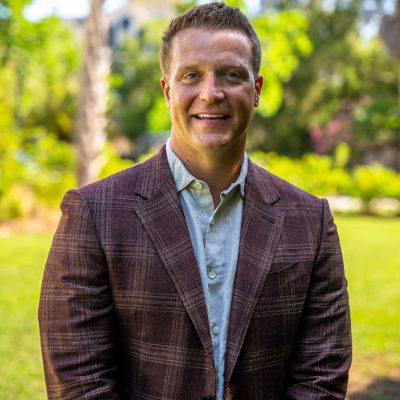
Caleb Pearson is the founder of Homebuyers SC and a licensed South Carolina real estate agent (License #83101) with 15+ years of real estate investing experience. He has personally been involved in over 500 purchases across South Carolina.